Overview
A teardrop-shaped island off the southern tip of India, small enough to cross in a day yet packed with ancient cities, rainforest, tea country, wildlife parks and long beaches. Eight places are UNESCO World Heritage Sites.
- Currency
- Sri Lankan rupee (LKR)
- Languages
- Sinhala and Tamil; English is widely used in tourism
- Time zone
- UTC+5:30, no daylight saving
- Electricity
- 230 V, 50 Hz; plug types D, M and G
- Driving
- On the left
- Size
- About 65,610 km², roughly 440 km from north to south
- Calling code
- +94
- Climate
- Tropical, with two monsoons (see “When to go”)
The eight World Heritage Sites are the Sacred City of Anuradhapura, the Ancient City of Polonnaruwa, the Ancient City of Sigiriya, the Golden Temple of Dambulla, the Sacred City of Kandy, the Old Town of Galle and its Fortifications, Sinharaja Forest Reserve, and the Central Highlands.
Before you go
When to go
Sri Lanka has two monsoons: the south-west monsoon (about May to September) soaks the west, south and hills, and the north-east monsoon (about October to January) soaks the north and east. So there is almost always a dry coast somewhere.
| Region | Best months | Wetter months |
|---|---|---|
| West and south-west coastColombo, Negombo, Bentota, Galle, Mirissa | December to March | May to September (south-west monsoon) |
| Hill countryKandy, Nuwara Eliya, Ella, Horton Plains | January to April | Showers can come any month; heaviest around October to December |
| Cultural TriangleSigiriya, Dambulla, Anuradhapura, Polonnaruwa | February to September | October to January (north-east monsoon) |
| East coastTrincomalee, Nilaveli, Arugam Bay | April to September | October to January |
| South-east safari parksYala, Udawalawe, Lunugamvehera | February to July | November to January |
| NorthJaffna and the Jaffna peninsula | February to September | October to December |
Getting there and around
Distances look short on a map, but roads are winding and busy: plan on an average of 30–40 km/h and about four hours of driving a day at most.
Trains
Slow, cheap and scenic. The Kandy to Ella line is the highlight. Reserved seats and observation-car tickets sell out, so book early through the railway or a trusted agent. Unreserved carriages are crowded.
Buses
Frequent and very cheap, from basic to air-conditioned intercity express. Good for short hops, tiring for long trips with luggage.
Tuk-tuks
Ideal for short rides. Agree the fare first, or use a ride app in cities. Expect to bargain at tourist spots.
Car with driver
The easiest way to cover several regions. Agree the route, daily hours and who pays the driver's lodging before you start.
Where to go
Pick two or three regions for a short trip rather than trying to see everything.
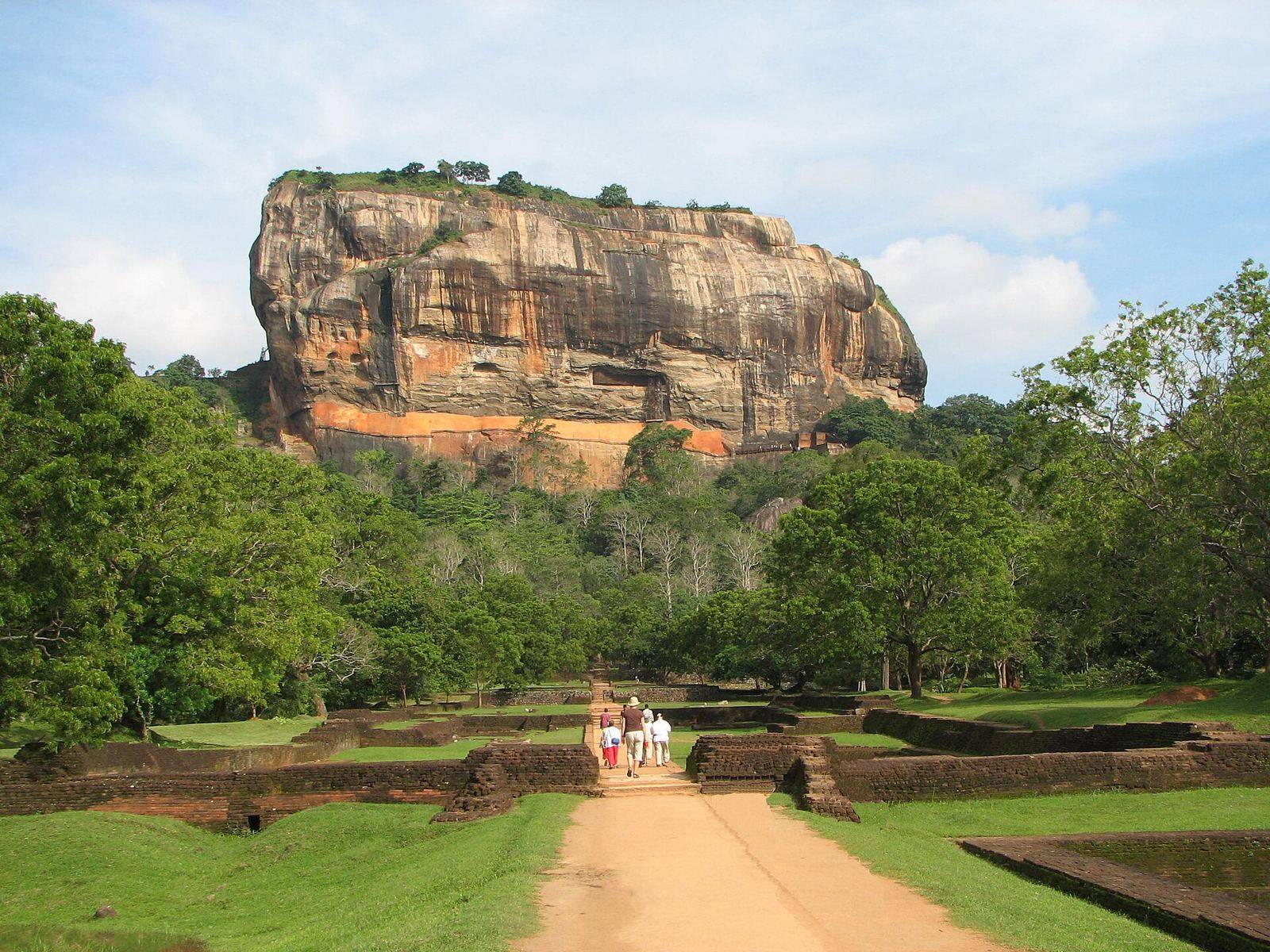
Cultural Triangle
Heritage3–4 nightsSigiriya rock fortress and neighbouring Pidurangala, the Dambulla cave temples, and the ancient capitals of Polonnaruwa and Anuradhapura. Between June and October wild elephants gather at Minneriya and Kaudulla.
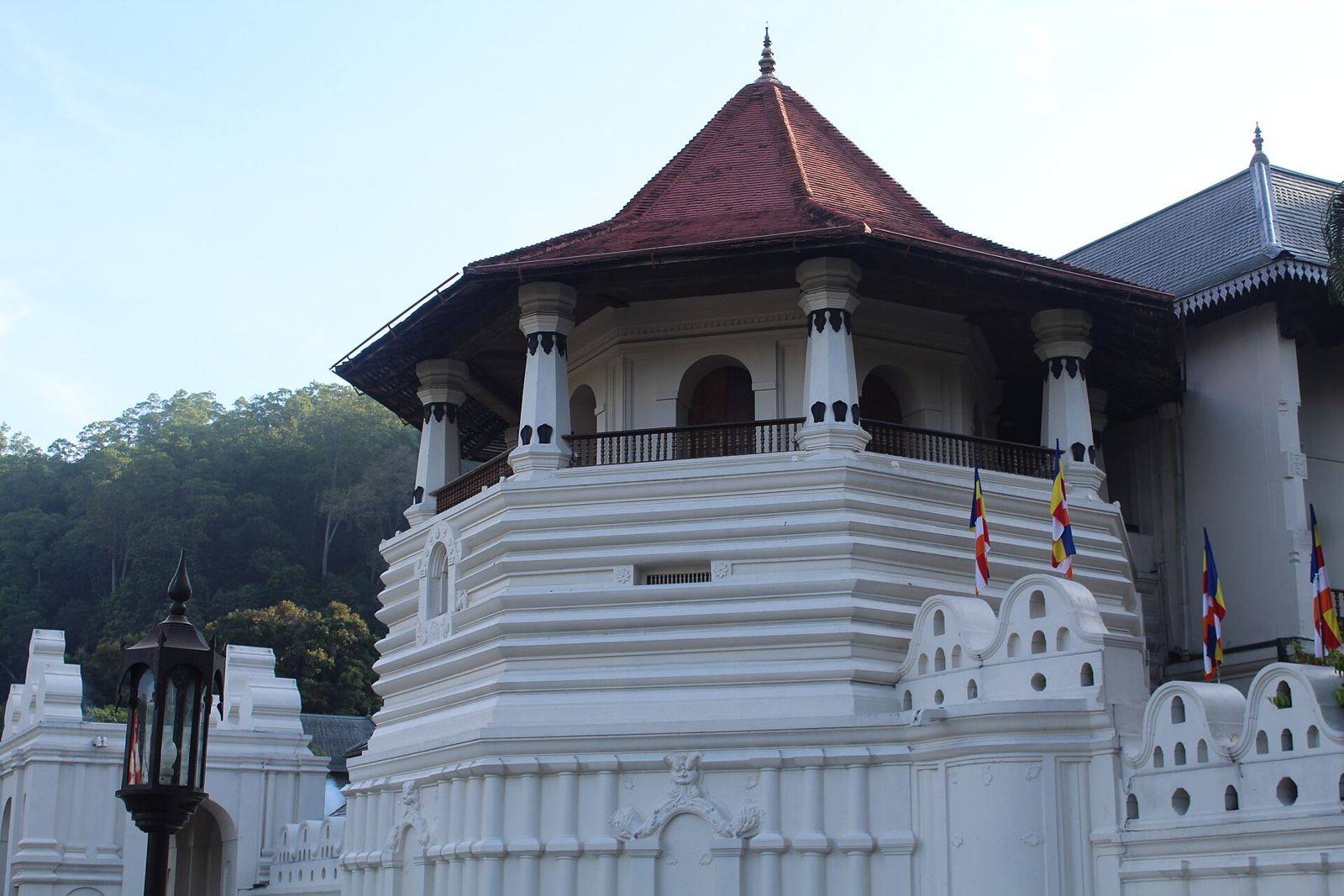
Kandy
Heritage2 nightsThe hill capital: the Temple of the Sacred Tooth Relic, Kandy Lake, Peradeniya Botanical Gardens and cultural dance shows. The Esala Perahera pageant fills the streets in July or August.
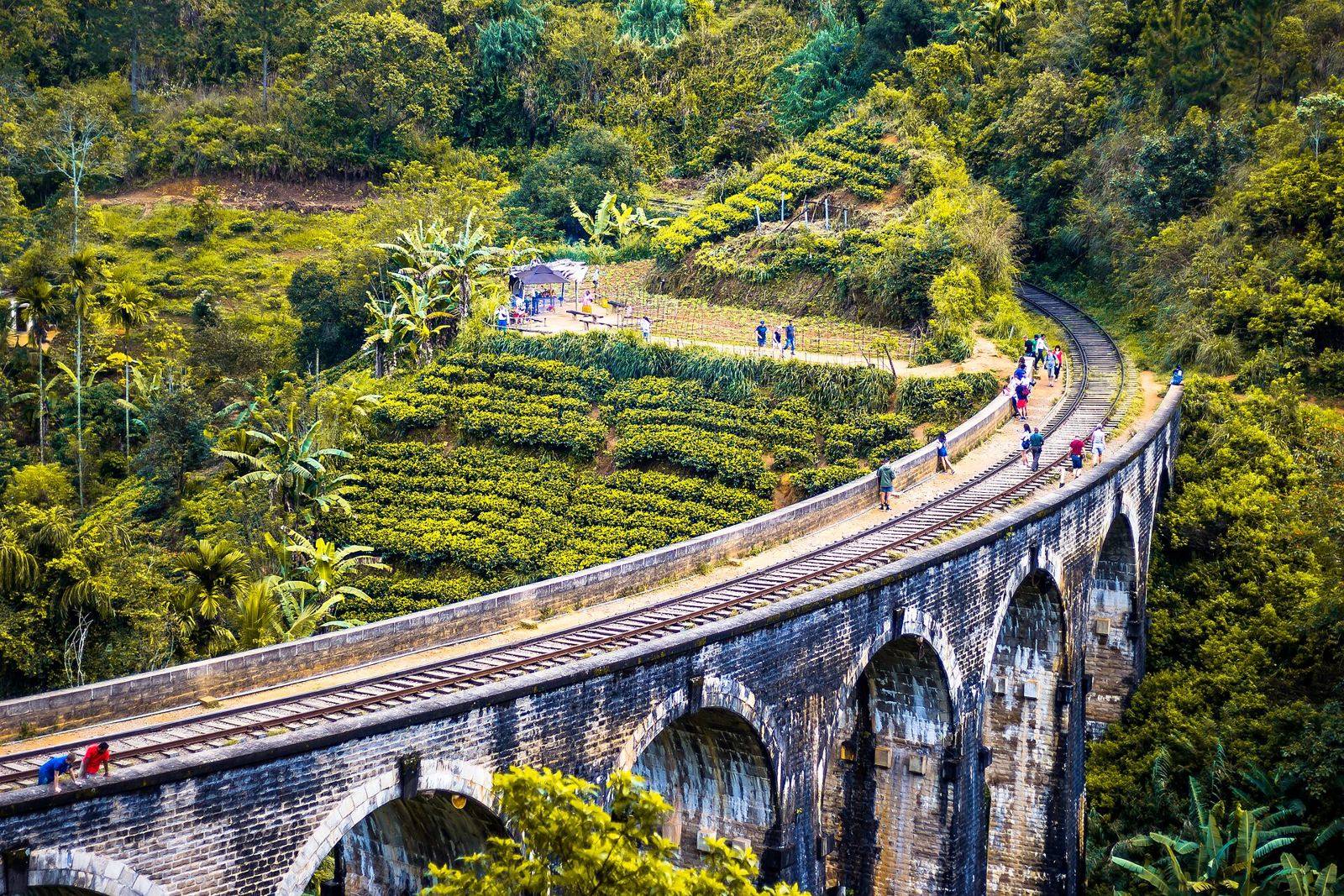
Ella and the hill country
Adventure3–4 nightsNine Arches Bridge, Little Adam's Peak and Ella Rock, tea estates around Nuwara Eliya, and Horton Plains with World's End. The Kandy to Ella train is one of the world's best-known rail journeys.
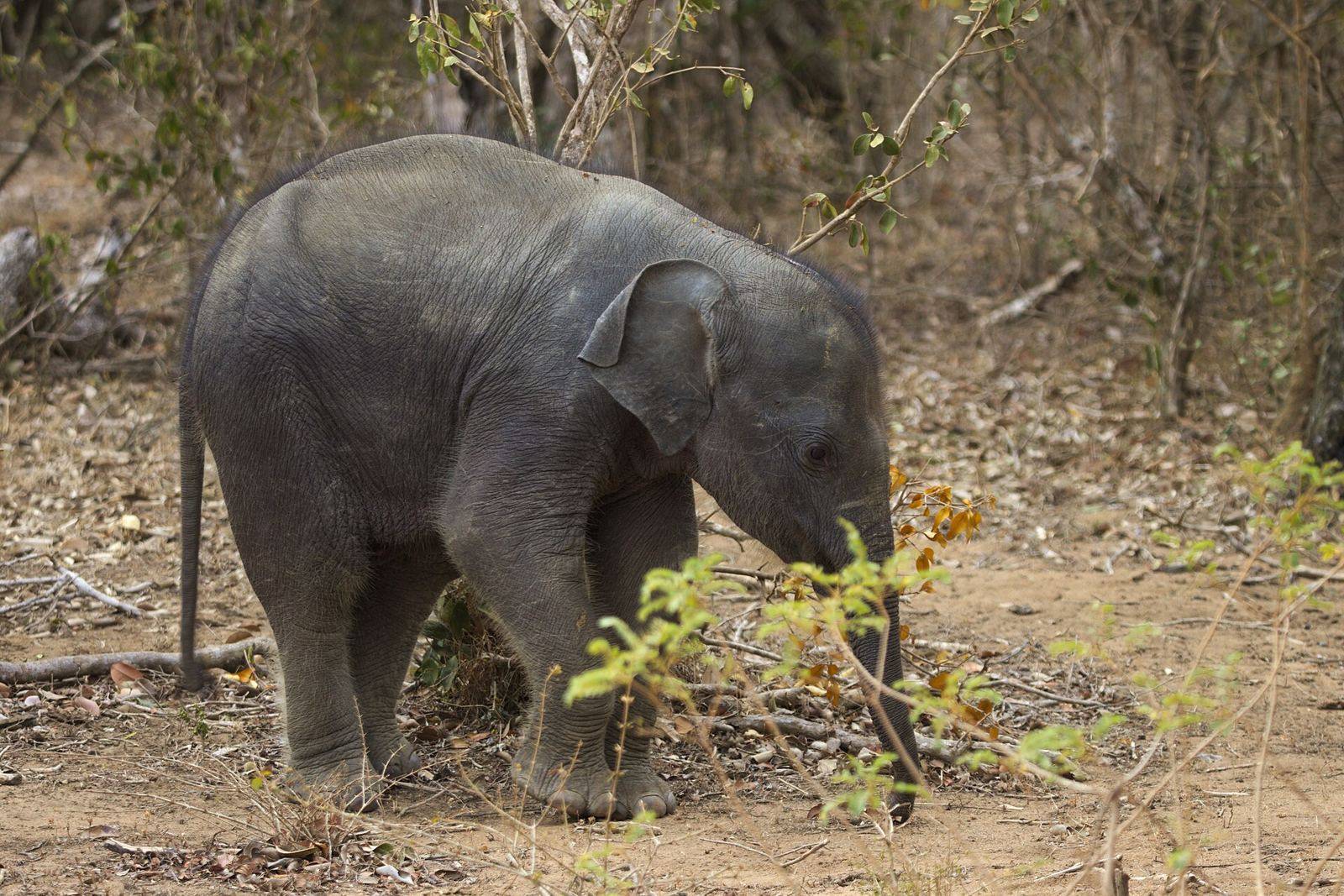
Wildlife
Wildlife2 nightsYala is famous for leopards; Udawalawe is the surest place to see elephants; Wilpattu in the north-west is quieter; Sinharaja is a UNESCO rainforest for birds and endemic species.
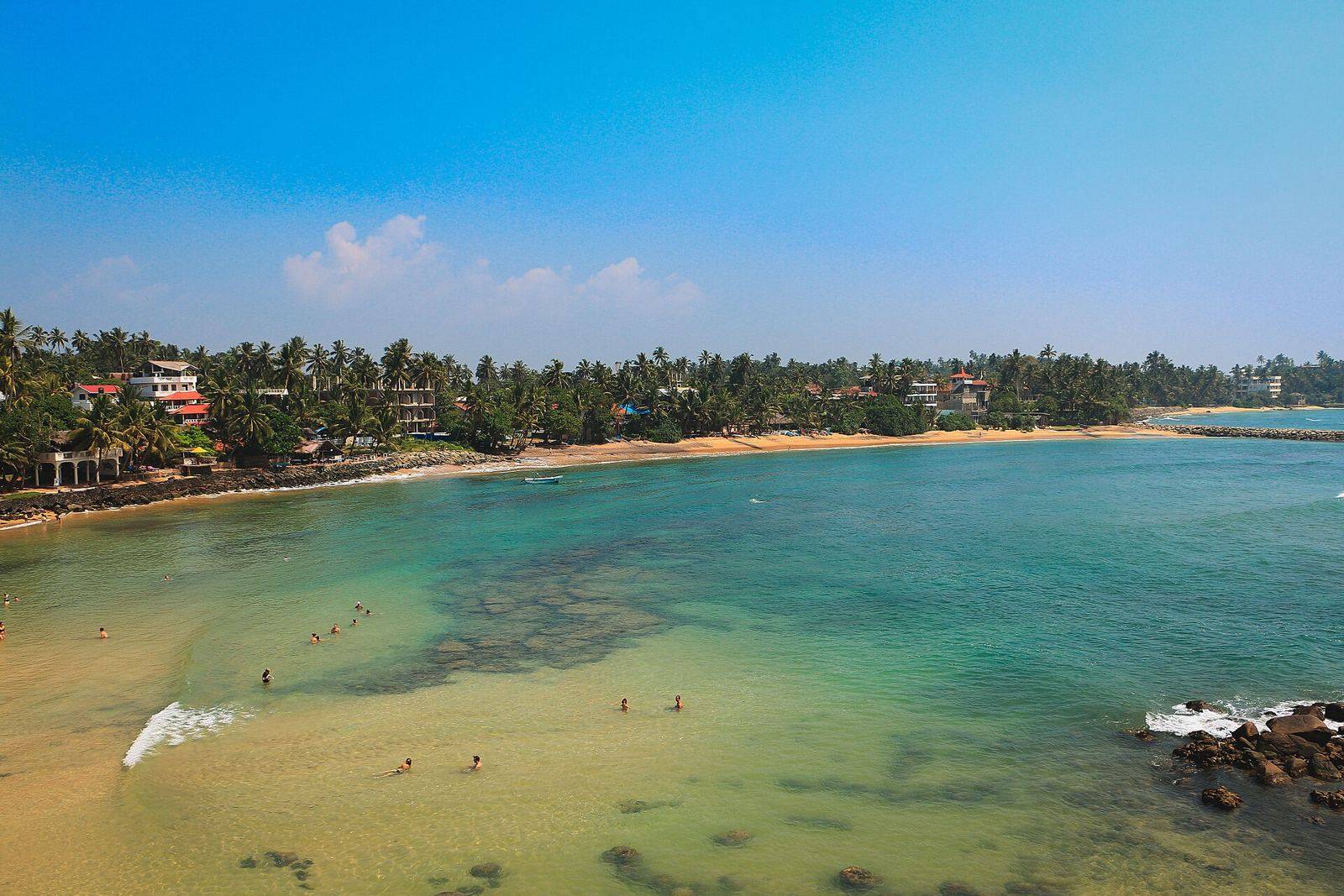
South coast
Beach & water3–4 nightsMirissa for whale watching and a crescent beach, Weligama for learning to surf, Unawatuna and Tangalle for calm swimming and slow days.
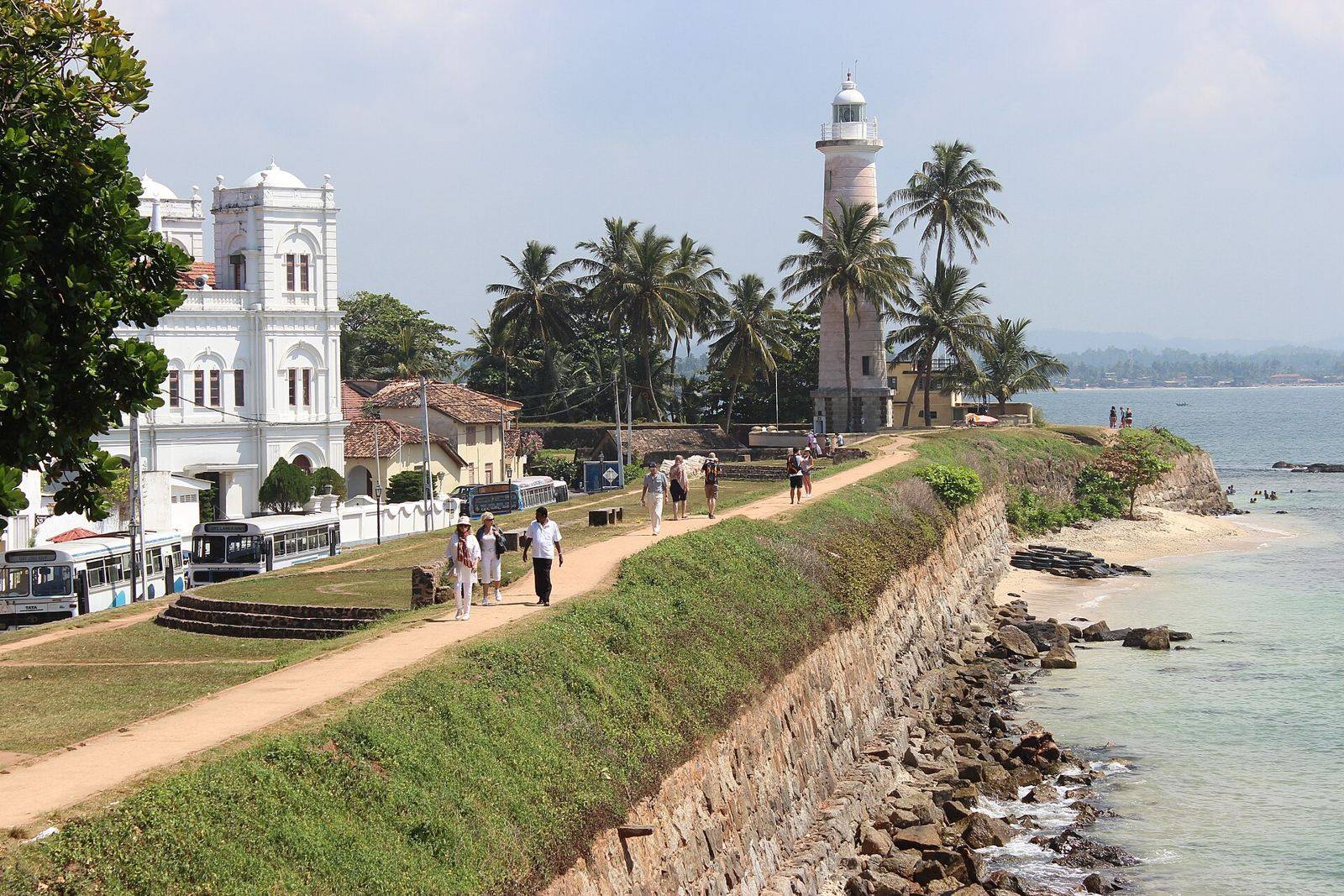
Galle
Heritage1–2 nightsA walkable Dutch-era fort and UNESCO World Heritage site on the sea: ramparts at sunset, boutique cafés, the lighthouse and old churches.
Also worth considering: Trincomalee and Nilaveli on the east coast for beaches and Pigeon Island snorkelling, Arugam Bay for surf, and Jaffna in the north for a distinct Tamil culture, temples and food.
Sample itineraries
Starting points you can adapt. Lankora builds a personalised version around your interests, the weather and your budget.
- 1
Arrive and rest near the airport (Negombo) or Colombo
- 2
Sigiriya and Dambulla
- 3
Polonnaruwa, then Kandy
- 4
Kandy sights; Peradeniya Botanical Gardens
- 5
Train to Ella through the tea hills
- 6
Ella walks, then south to Yala for an afternoon safari
- 7
South coast: Mirissa beach, then Galle Fort at sunset
Culture and etiquette
Sri Lankans are famously hospitable. A little care goes a long way, especially around religious sites.
Food and drink
Sri Lankan food is built on coconut, spices and fresh seafood. Heat levels vary: ask for “less spicy” if you need to.
- Rice and curry
- The everyday meal: rice with several curries (dhal, jackfruit, fish or chicken) and sambols. Easy to order vegetarian.
- Hoppers (appa)
- Crisp bowl-shaped pancakes, often with an egg in the middle. A breakfast and dinner favourite.
- String hoppers
- Steamed rice-noodle nests served with dhal, sambol and curry.
- Kottu roti
- Chopped flatbread stir-fried loudly with vegetables, egg or meat. The street-food classic.
- Lamprais
- A Dutch Burgher dish: rice and curry baked in a banana leaf parcel.
- Pol sambol
- Fresh grated coconut with chilli and lime; it goes with almost everything.
- Fish ambul thiyal
- A dry, sour curry of tuna with goraka, popular on the south coast.
- Watalappan
- A rich coconut, jaggery and spice custard served at celebrations.
To drink: fresh king coconut (thambili) is sold everywhere, and Ceylon tea is the national pride. Drink bottled or filtered water, and skip ice in basic eateries.
Money and costs
Health and safety
Sri Lanka is generally welcoming and safe for visitors. Most problems are avoidable.
Festivals and public holidays
Dates of lunar festivals change every year. The planner treats fixed-date holidays as closures but cannot know Poya days in advance.
| Festival | When |
|---|---|
| Thai Pongal | 14–15 January |
| Independence Day | 4 February |
| Sinhala and Tamil New Year | 13–14 April |
| Vesak | May (full moon) |
| Poson | June (full moon) |
| Esala Perahera (Kandy) | July or August |
| Deepavali | October or November |
| Christmas | 25 December |